IMO Reaches Global Shipping Net-Zero Emissions Agreement, Clarifying Reduction Pathways and Mechanisms
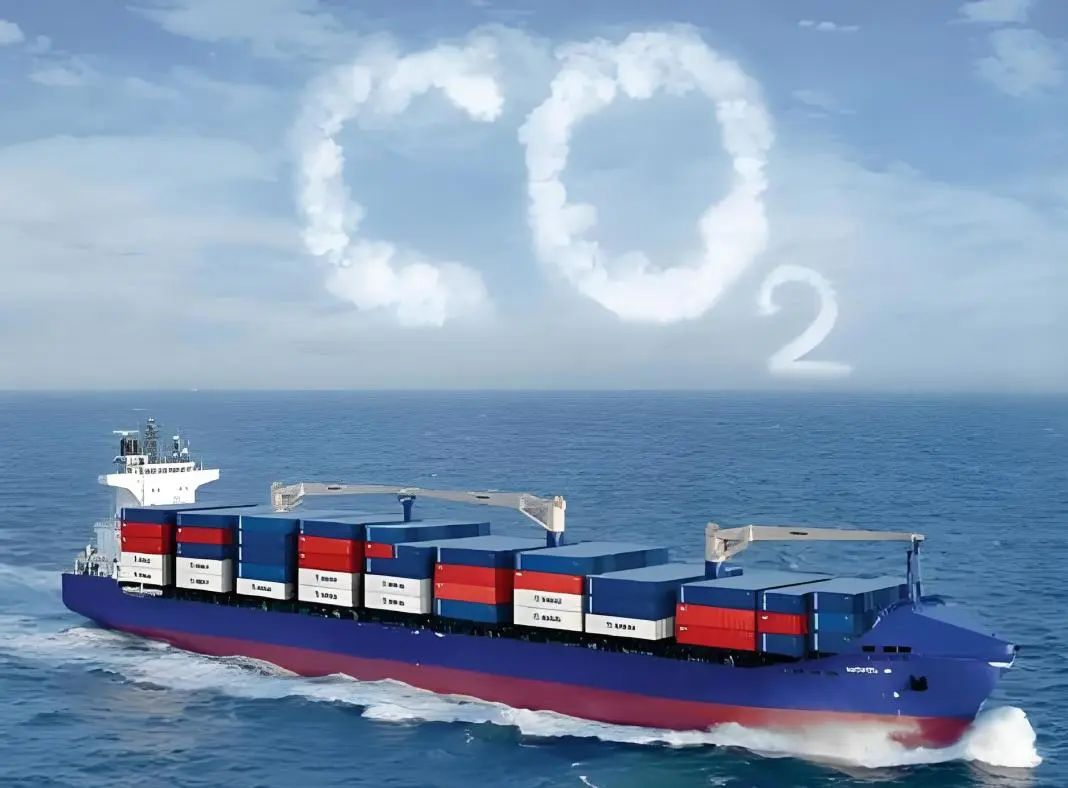
On April 11, member states of the International Maritime Organization (IMO) reached a significant agreement on the green transition of the shipping industry. The agreement aims to reduce the shipping industry's reliance on fossil fuels and build a sustainable development framework. It contains two core elements: first, the establishment of standards limiting fossil fuel use; second, the creation of a pricing mechanism for companies that fail to meet these standards. During the voting process, 63 major countries, including China, the European Union member states, India, and Japan, actively supported the agreement, demonstrating a firm commitment to the green development of the shipping industry. However, 16 major oil-producing countries opposed the agreement, likely concerned about potential impacts on their domestic oil industries. Another 25 countries, including several Pacific island nations, abstained.
As early as July 2023, the IMO had already adopted a strategic target of achieving carbon neutrality by 2050. This new agreement provides a clearer and more specific implementation pathway to meet that target. The agreement sets explicit emission reduction goals: by 2035, greenhouse gas emissions from ships must be reduced by 30% compared to 2008 levels; by 2040, the reduction target increases to 65%. Companies failing to meet the targets will be required to pay a fee of $380 per ton of CO₂ equivalent, with these funds directed into a "Net-Zero Fund." The fund will be used to promote the greening of the shipping industry while seeking to mitigate potential negative side effects, such as rising food prices caused by increased shipping costs. However, contrary to the expectations of some poorer nations, these funds may not be used to support their climate change adaptation efforts.
Additionally, the agreement sets a more challenging second-tier target: a 43% emission reduction by 2035. For companies failing to meet this stricter target, several remedial pathways are provided, including purchasing carbon credits at $100 per ton of CO₂ equivalent, acquiring surplus allowances from other companies, or using their own accumulated surplus allowances.
Source:
Maritime Service Network